


Kerala does not forgive weak construction. The climate looks gentle from outside. Green, wet, coastal, shaded, slow-moving. Inside a building, it behaves differently. Moisture sits in walls. Salt travels with air. Laterite soil holds water in some places and loses grip in others. Concrete that looked sound during handover may begin to show hairline cracks after two monsoons. Balconies stain first. Roof slabs tell the truth next. Columns usually speak late, and by then repairs become expensive.
A building in Kerala needs strength, yes. But strength alone is not enough. It needs grip between steel and concrete. It needs ductility when the ground moves slightly, when loads shift, when a beam deflects, when a roof slab heats and cools every day. It needs steel that can take tension without becoming brittle. That is where TMT Steel Bars matter.
Concrete is excellent in compression. Ask it to carry weight straight down, and it performs well. Ask it to stretch, bend, resist pulling force or hold a long span without cracking, and it needs steel. The steel is not sitting inside concrete as a decoration. It is taking the tension that concrete cannot handle. In a slab, in a beam, in a column, in a footing, the reinforcement is doing quiet work every hour of the building’s life. Kerala’s climate makes that work harder.
Kerala’s Climate Tests Steel Before It Tests Design
The problem is not only rain. People blame rain too quickly. The real problem is wetness that stays. A wall that dries in Rajasthan may remain damp for days in Kerala. Coastal belts face chloride exposure. Hill areas face heavy runoff, slope pressure and seasonal ground movement. Low-lying plots face waterlogging. Even in inland towns, humidity pushes slow corrosion when the concrete cover is poor or cracks are left untreated.
Corrosion is not a surface issue once steel is embedded inside concrete. When steel rusts, it expands. That expansion creates pressure from inside. Concrete cracks. Water enters more easily. Rusting accelerates. Then the repair is no longer a coat of paint or a patch of plaster. The structure has started losing its internal discipline.
Good TMT bars reduce this risk, but they do not perform miracles. If concrete is badly mixed, if water is added freely at site to make placing easier, if cover blocks are missing, if the steel is left exposed before concreting, if the slab is cured carelessly, no bar can save the building fully. That point is often avoided in sales discussions because it is uncomfortable. The bar quality matters. Site practice matters just as much.
For Kerala, a strong bar with poor workmanship is a wasted investment. A cheap bar with good workmanship is still a risk. The right answer is not romantic. Use proper steel, detail it correctly, place it properly, protect it with good concrete, cure it with patience.
Why the Bar’s Outer Layer and Core Matter
A TMT bar is not just a round piece of steel with ribs. The manufacturing process gives it a hard outer surface and a softer, more ductile core. That combination is the reason it works so well in reinforced concrete.
The outer layer helps with strength. The inner core allows the bar to stretch slightly before failure. That stretch is not weakness. It is warning. A brittle member fails suddenly. A ductile member gives signs before collapse. In practical construction, that difference is critical.
In Kerala homes, especially two-storey and three-storey houses built with future expansion in mind, this matters more than people realise. A house may begin as ground floor only. After five years, a first floor is added. Then a terrace room. Then solar panels. Then a water tank shifted to a different location. The original structural assumptions get disturbed.
Steel with better ductility tolerates these changes better than ordinary mild steel, provided the structure was designed with reasonable margins.
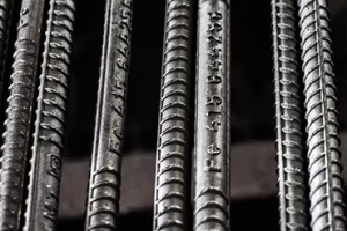
The ribs on TMT bars also matter. They improve bonding with concrete. Bond failure is a silent weakness. A bar may be strong in itself, but if it slips inside concrete, the member loses its intended behaviour. Proper ribs help steel and concrete act together. That bond becomes especially valuable in beams and slabs where bending stress is constant.
This is why a bar should not be judged only by weight or price per kilogram.
Some clients check only the rate. Some check only the brand name. Some ask the mason. Some buy from the nearest yard because transport is easier. In site practice, that is where problems begin. Steel is not a casual material. It is the skeleton of the building. Once concrete covers it, nobody sees it again unless something goes wrong.
Strength Is Not Only About Bigger Diameter
A common mistake in house construction is thinking that larger steel automatically means a stronger building.
It may not. Oversized bars placed without proper spacing can create honeycombing because concrete cannot flow around them properly. Congested reinforcement near beam-column joints can become a construction defect, not a safety feature. Bars bent sharply at site can develop stress points. Hooks may be made casually. Lap lengths may be shortened to save material. Stirrups may be spaced wider than shown in the drawing because “nothing will happen”.
Things do happen. Slowly. The correct diameter must come from structural design, not guesswork. A beam requiring 12 mm bars does not become professionally designed because someone used 16 mm bars. Load path, span, concrete grade, soil bearing capacity, column position, reinforcement spacing, cover, development length, lap location and stirrup detailing all sit together.
Stirrups are often treated like secondary steel. That is a mistake. They hold the main bars in place, resist shear, confine concrete in columns and help members behave better during sudden stress. Searches for Best Stirrup in Construction in Kerala usually come from people who have already understood that main bars alone do not make a frame safe.
In coastal Kerala, stirrups deserve more attention because they are closer to the concrete surface in columns and beams. Poor cover means they corrode earlier. Once stirrups weaken, the member loses confinement. A column may still look vertical, but internally it has lost discipline.
A proper engineer will not casually approve site-bent stirrups with wrong hooks, weak bends or inconsistent spacing. A good contractor will not treat them as leftover steel work. A serious homeowner should at least look at the reinforcement before concreting, not after.
What Good TMT Bars Do During Monsoon, Heat and Load Changes
Kerala buildings expand and contract in small ways every day. Roof slabs heat up, cool down, absorb moisture, release it, then repeat the cycle. Terrace waterproofing fails early in buildings where slope, drainage and curing were ignored. Water seeps through tiny cracks, reaches reinforcement, and starts the rust cycle.
TMT Steel Bars improve building strength by helping reinforced concrete resist bending, tension, shear stress and repeated load changes. Their ribbed surface improves mechanical bond with concrete. Their ductile core gives the structure better tolerance against sudden stress. Their strength allows efficient reinforcement design without unnecessary congestion when used correctly.
There is also the question of earthquake resistance. Kerala is not usually discussed like Himalayan seismic zones, but parts of the state are not free from seismic consideration. Buildings with ductile reinforcement and proper detailing behave better under lateral forces than brittle, poorly reinforced structures.
That does not mean the bar alone makes a building earthquake-resistant. That claim is careless. Earthquake safety comes from design, ductile detailing, good concrete, column-beam joint quality, foundation performance and workmanship. Steel is a major part of that system, not the whole system.
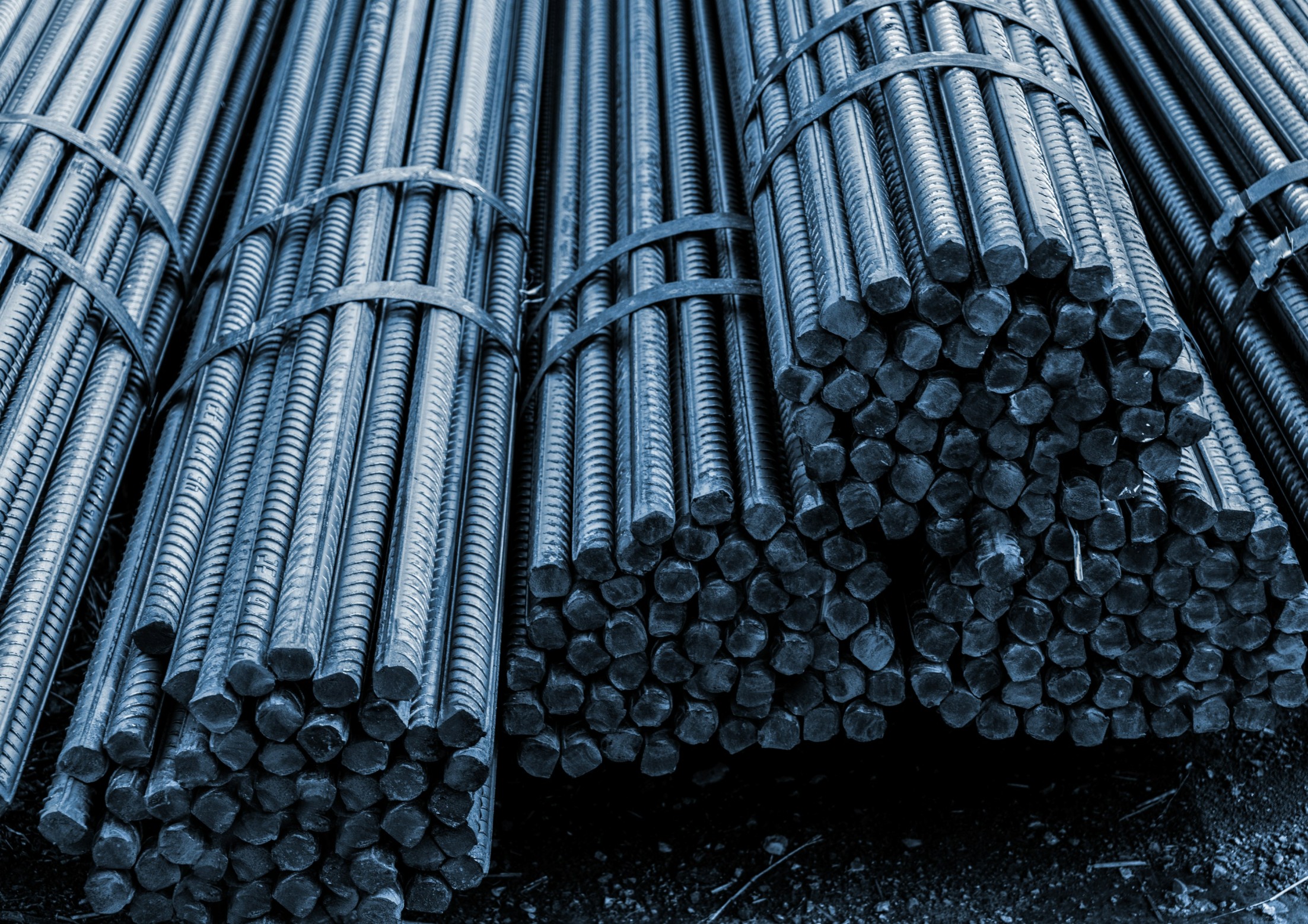
High humidity also affects storage before construction. This is rarely discussed with enough seriousness. Bars kept directly on wet ground, exposed to rain for weeks, splashed with mud, then used without inspection, are already compromised. Light surface rust may not always be disastrous, but flaky rust, pitting and reduced diameter are warning signs. Steel should be stacked above ground, covered without trapping moisture, and used in proper sequence. A site that treats steel badly before concreting usually treats concrete badly too.
Choosing Steel in Kerala Should Not Be a Price Game
The purchase decision is where many buildings lose quality before the first column is cast.
A homeowner asks three shops for price. The lowest quote wins. Then the engineer is expected to make the building safe with whatever material arrives. That is backwards.
ISI certification should be checked. Test certificates should be requested. Batch consistency matters. Diameter tolerance matters. Weight variation matters. Bendability matters. A bar that cracks during bending is not a small issue. A bar with poor rib formation is not ideal for bond. A bar that looks uneven, oily or heavily rusted should not be accepted casually.
When selecting a TMT Bar Manufacturer, the buyer should look beyond advertising. Manufacturing control, certification, chemical composition, rolling quality and availability of test reports matter. A reliable TMT Bar Company in Kerala should be able to give technical clarity, not just a rate card. A serious TMT Steel Company will not hesitate to discuss grades, standards, supply consistency and handling recommendations.
Dealers matter too. Good TMT bar dealers in Kerala maintain stock properly, avoid mixing batches carelessly and understand delivery discipline. Reliable TMT Bar Suppliers in Kerala should not send bent, rusted or mismatched material and expect the site to adjust.
There is a practical point here. Steel usually reaches site before the structure is ready to consume it fully. If the project is delayed, the material sits exposed. A slightly higher price from a supplier who delivers in stages may be better than a cheaper bulk delivery that lies in rain for a month. Contractors understand this. Clients often learn it late.
For home construction, Fe 500 or Fe 550 grade is commonly discussed, but the correct grade should match structural design and site conditions. Higher grade is not always better in a simple way. Workability, bendability, ductility and design requirement must be considered. Blindly choosing the highest grade because it sounds premium is not professional decision-making.
The engineer’s drawing must be followed. If the drawing says 10 mm stirrups at 150 mm spacing, changing it at site because the mason says 8 mm is enough should not be accepted. If lap length is shown, it is not a suggestion. If cover is specified, it is not decorative. If chairs are required for slab reinforcement, they are not optional.
Kerala has plenty of buildings where the material was good and the workmanship was poor. The opposite also exists. The stronger buildings usually come from a less dramatic habit: correct design, correct steel, correct detailing, correct supervision. No glamour. Just discipline.
Where TMT Steel Bars Can Still Fail
The bar can be good and the building can still fail. Poor concrete cover is a common reason. In Kerala’s moisture-heavy conditions, inadequate cover allows water and chlorides to reach reinforcement earlier. Once corrosion starts, the quality of the original bar only delays the damage; it does not cancel it.
Bad curing is another reason. Concrete needs moisture for strength gain, but not careless flooding and drying. Proper curing supports hydration and reduces shrinkage cracks. In rushed residential projects, curing is often treated as a labour inconvenience. The slab is cast, workers leave, and curing begins late or happens unevenly. Later, the owner wonders why cracks appeared.
Wrong bar placement creates serious weakness. Top bars pushed down during concreting, slab mesh resting on shuttering without chairs, column rods not aligned, beam reinforcement shifted to make plumbing easier — these mistakes are not rare. They are not visible later. They remain inside the building.
Cutting bars at the wrong place is another quiet problem. Laps placed in high-stress zones weaken the member. Short anchorage affects load transfer. In beams, careless curtailment can change behaviour under load. In columns, poor lapping near joints can become dangerous.
Then comes renovation damage. People drill into beams for false ceiling supports, cut chases in walls, break slabs for plumbing changes, shift water tanks, add heavy granite counters, install rooftop equipment. No one checks the original design. The building absorbs these insults until it cannot. TMT Steel Bars are essential, but they are not permission to ignore engineering.
FAQ
How do TMT steel bars improve the strength of a building?
They carry tensile forces that concrete cannot handle well. In beams, slabs, columns and footings, they help the structure resist bending, cracking, load transfer and sudden stress. Their ribbed surface grips concrete better, while their ductile core helps the structure behave less suddenly under stress.
What are TMT steel bars and why are they important in construction?
They are thermo-mechanically treated reinforcement bars used inside concrete. The treatment gives them a strong outer layer and a ductile inner core. That combination allows reinforced concrete to carry loads more safely, especially in buildings exposed to moisture, heat variation and long-term use.
How do you choose the right bars for home construction?
Start with the structural drawing, not the shop price. Check ISI certification, grade, diameter, test certificate, rib quality, bendability and storage condition. Buy from a dependable supplier. Do not allow site substitutions without the structural engineer’s approval.
Why are these bars essential for safe and durable buildings?
Concrete alone cracks under tension. Reinforcement controls that weakness. Good bars improve load resistance, bonding, ductility and long-term performance. They also help the building tolerate small movements and stress changes without sudden failure.
Why are TMT bars ideal for Kerala’s climate?
Kerala’s humidity, monsoon exposure, coastal air and waterlogged sites place more pressure on reinforced concrete. Good quality bars, when protected by proper concrete cover and curing, perform better in these conditions than ordinary mild steel reinforcement.
Why are ISI-certified bars important?
ISI certification gives a basic assurance that the bars meet required Indian standards for strength, chemical composition and quality control. It does not replace good site practice, but it reduces the risk of using substandard reinforcement.
Are these bars suitable for high-rise buildings?
Yes, when the grade, design and detailing are correct. High-rise buildings need professional structural design, ductile detailing, proper concrete grade, strict supervision and certified reinforcement. Steel quality alone cannot make a high-rise safe.
Which bars are best for house construction?
The best choice depends on the structural design, soil condition, building height, span, exposure and engineer’s recommendation. For most homes, certified bars from a reliable source, used exactly as per drawing, are better than choosing by brand name alone.
What is the difference between TMT bars and mild steel bars?
Mild steel bars are more traditional and generally have lower strength. TMT bars offer better strength, ribbed bonding with concrete and improved ductility. They allow better reinforced concrete performance when used correctly.
Are these bars suitable for bridges and flyovers?
Yes. Bridges and flyovers commonly use high-quality reinforcement, but these projects demand stricter design, testing, detailing, corrosion protection and quality control than ordinary buildings. Material selection must follow project specifications and engineering standards.


