
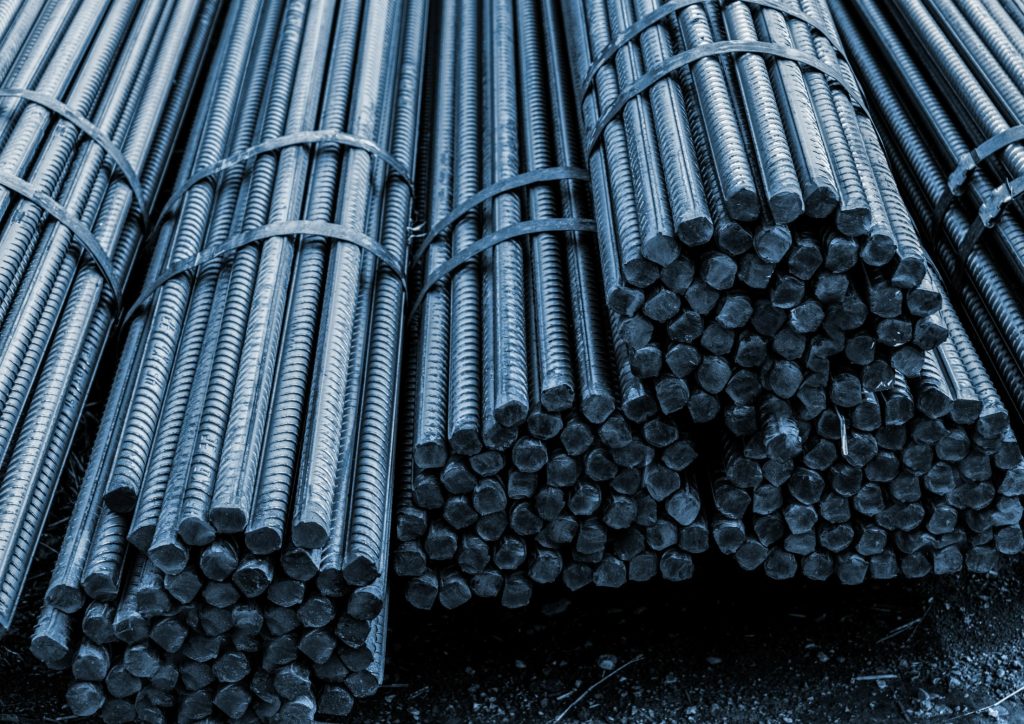


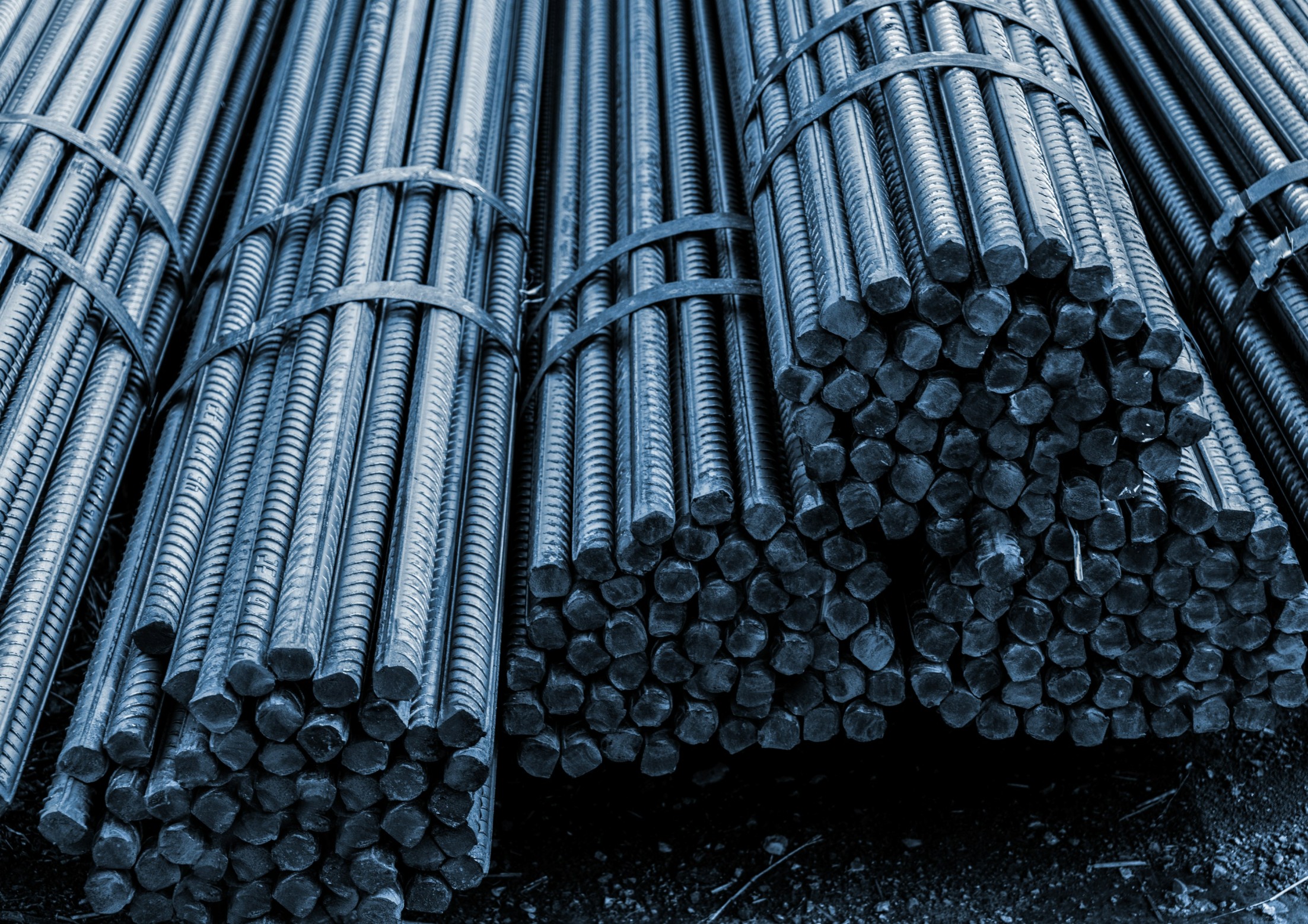
When people talk about the strength of a building, the discussion usually drifts towards cement, concrete grade, architectural design, or foundation depth. Fair enough. Yet the material that quietly absorbs tension, bending forces and seismic movement is steel reinforcement. Without it, concrete alone would be a very different material to build with.
That is where TMT Steel Bars enter the picture. The term stands for Thermo Mechanically Treated bars. The manufacturing process sounds technical, but the outcome is easy to understand. The outer surface becomes strong and hard while the inner core remains comparatively ductile and flexible. Construction engineers value this combination because buildings rarely fail under simple compression. Problems arise when structures bend, twist, settle unevenly, or experience sudden loads.
A reinforced concrete beam in a house at Kottayam and a high-rise apartment in Kochi may look completely different in scale, yet both depend on the same principle. Concrete handles compression effectively. Steel handles tension. The partnership works because both materials expand and contract at similar rates under temperature changes.
What often gets missed in public discussions is that not all reinforcement bars perform equally once they are embedded inside concrete and forgotten for decades.
Why Kerala’s Climate Demands Better Reinforcement
Kerala presents its own challenges. High humidity. Coastal salt exposure. Heavy monsoon rainfall. Water seepage. Fluctuating groundwater conditions. These factors create an environment where poor-quality reinforcement reveals its weaknesses much faster than expected.
A crack appearing on an exterior wall is not always a structural concern. Rust stains emerging from concrete deserve more attention. In several building inspections, corrosion-related damage becomes visible long before the owner expects it. The problem often starts deep inside the concrete cover where moisture reaches the steel. Once corrosion begins, steel expands. Concrete does not like expansion from within.
Cracks appear. Water enters. The cycle accelerates.
The quality of the reinforcement bar influences how quickly this process develops.
Grade Fe 550 D, Strength and Real Site Loads
That is one reason Grade Fe 550 D has gained wider acceptance among structural consultants and engineers. The grade offers a combination of high yield strength and improved ductility. Strength alone is not enough. Extremely strong steel with poor elongation characteristics may not behave well during dynamic loading conditions.
A building rarely experiences perfect textbook loads.
Someone adds an extra water tank on the terrace.
A commercial space changes occupancy.
A floor designed for storage ends up carrying heavier materials than originally planned.
Small deviations accumulate.
The reinforcement must tolerate them.
There is also a misconception that thicker bars automatically create stronger structures. Structural design does not work that way. A poorly designed beam with oversized reinforcement can create placement issues, inadequate concrete compaction, and honeycombing. Sometimes the attempt to increase strength actually introduces new weaknesses.
Good engineering is rarely about adding more material.
It is about placing the right material in the right quantity.
Manufacturing Quality, Bendability and Site Workmanship
The manufacturing process behind modern TMT Steel Bars deserves attention because it directly affects field performance. During production, hot rolled bars undergo rapid quenching. The outer layer cools quickly while the inner core retains heat. As temperatures equalise, a unique metallurgical structure develops.
The result is a bar capable of carrying significant loads while retaining flexibility.
Flexibility matters more than many property owners realise. Earthquake-resistant construction discussions often focus on building design, and rightly so. Yet reinforcement behaviour plays a major role in how a structure dissipates energy. Kerala does not experience seismic activity at the scale seen in some other regions, but portions of the state still fall within earthquake-sensitive zones. Structural resilience is not a luxury feature.
It is part of responsible construction. A practical example can be seen during heavy wind events. Tall structures sway. Not dramatically. Usually only a few millimetres. Occupants never notice. The reinforcement accommodates these movements repeatedly over years. Brittle materials struggle under such conditions. Ductile reinforcement performs better.
Contractors frequently focus on procurement price because reinforcement represents a substantial portion of project costs. That approach is understandable but sometimes shortsighted. A small price difference per tonne appears significant during purchasing. Spread across the life of a building, it becomes almost irrelevant. Repairing structural deterioration years later costs far more. One mistake seen regularly is improper storage at construction sites. Bars arrive in excellent condition. They are left directly on wet soil. Monsoon rain continues for weeks.
Surface contamination develops. Workers clean visible rust and proceed with installation. The deeper issue is that storage practices often reveal the overall quality culture of a project. Projects that neglect basic material handling frequently overlook other critical details as well. Good reinforcement cannot compensate for poor workmanship. Concrete cover remains insufficient. Vibration is inadequate. Curing is rushed. Problems emerge regardless of steel quality. That reality deserves emphasis because advertisements occasionally imply that selecting a premium bar alone guarantees structural excellence. Construction does not operate that way. Materials, design and workmanship depend on each other. There is also a tendency among some homeowners to compare only yield strength values while choosing reinforcement. The conversation becomes a numbers game. Higher strength. Higher grade. Higher specification. Not necessarily better. The structural engineer’s requirements should drive material selection rather than assumptions made at the site.
For residential and commercial projects across Kerala, Grade Fe 550 D often provides an effective balance between strength, ductility and workability. It allows efficient structural design while maintaining performance characteristics valued in modern construction.
Bending behaviour deserves discussion as well.
Reinforcement bars are rarely used in straight lengths exactly as supplied from the factory. They are bent, shaped and tied according to structural drawings. Bars with poor bendability may develop micro-cracks during fabrication. Those defects are not always visible.
Problems may remain hidden for years.
The issue becomes more relevant when preparing stirrups, columns and beam reinforcement cages. Engineers responsible for structural inspections pay close attention to how bars behave during fabrication because field conditions are never as controlled as manufacturing facilities.
This explains why specifications related to the Best Stirrup in Construction in Kerala increasingly focus on material consistency rather than simply diameter and strength values.
Consistency is underrated.
Choosing the Right TMT Bar Company, Suppliers and Dealers in Kerala
Builders often ask whether all reinforcement bars available in the market are effectively identical if they carry the same grade marking. No. Manufacturing controls differ, Raw material quality differs, Testing standards differ,
Quality assurance systems differ.
The difference may not be obvious when observing a single bar at a construction site, but it becomes apparent when performance is evaluated across thousands of tonnes supplied over time.
A reputable TMT Bar Manufacturer invests heavily in process control because variations in production directly affect mechanical properties.
That investment is not always visible to the end customer.
The same principle applies when selecting a TMT Steel Company for large projects. Procurement teams increasingly review testing records, certification procedures and supply consistency rather than focusing exclusively on quotation values.
Supply consistency creates practical advantages.
Construction schedules rarely wait.
If reinforcement deliveries arrive late or specifications vary between batches, site operations suffer. Labour productivity drops. Concrete pours get postponed. Project costs rise.
Material reliability affects far more than structural performance.
It affects project management.
In Kerala’s competitive construction sector, homeowners often seek recommendations from contractors, engineers and architects before selecting a TMT Bar Company in Kerala. That is usually sensible. People working directly with materials every day often notice quality differences that never appear in brochures.
The same applies when dealing with TMT Bar Suppliers in Kerala and TMT bar dealers in Kerala. Reliable logistics, proper storage, traceability and consistent inventory matter nearly as much as the product itself.
A delayed delivery during a major slab casting can create expensive complications.
There are situations where reinforcement selection alone cannot solve structural challenges.
Buildings exposed to aggressive marine environments require additional protection strategies.
Poor drainage around foundations creates long-term durability concerns.
Waterproofing failures accelerate deterioration.
Inadequate concrete cover exposes steel earlier than expected.
Even excellent reinforcement can struggle under persistently unfavourable conditions.
That is worth acknowledging because construction discussions often become overly simplistic.
Good materials improve outcomes.
They do not eliminate engineering responsibilities.
The best projects usually share certain characteristics. Structural drawings are followed carefully. Reinforcement placement is checked before concrete pouring. Concrete cover blocks are used correctly. Bars remain free from excessive contamination. Site supervision remains consistent.
Nothing glamorous.
Just disciplined execution.
The public often notices finished tiles, paint colours and kitchen fittings. Structural professionals pay attention to what disappears inside concrete before the building is completed.
That hidden framework determines how the structure behaves decades later.
What are TMT steel bars and how are they used in construction?
TMT steel bars are Thermo Mechanically Treated reinforcement bars used for interior which contains the concrete structures. They are embedded in foundation, column, beam, slab and retaining wall to resist tensile forces that the concrete can not handle efficiently on its own.
Why are TMT steel bars important for modern construction projects?
It consisted of modern buildings designed to accommodate greater loads, spans and the elements as well as changing usage. This combination of strength and ductility, along with enabling structural stability under adverse seismic movements, is what TMT reinforcement provides to fulfill these demands.
What makes TMT steel bars essential for strong building structures?
Their combination of high strength and flexibility allows them to absorb stresses generated by loads, settlement, wind forces and minor structural movements without failing prematurely.
How do TMT steel bars improve the safety of buildings?
They help prevent sudden structural failures by reinforcing critical load-bearing elements. Their ductile behaviour allows structures to deform in a controlled manner under extreme conditions instead of collapsing abruptly.
What are the key benefits of using TMT steel bars in construction?
High strength, good ductility, corrosion resistance, weldability, bendability, durability and reliable performance under varying load conditions.
What are TMT steel bars?
They are steel reinforcement bars produced through a thermo mechanical treatment process that creates a strong outer layer and a ductile inner core suitable for reinforced concrete construction.
Why are TMT steel bars used in construction?
Concrete performs well under compression but poorly under tension. Reinforcement bars provide the tensile strength required for structural stability and long-term durability.
What are the advantages of TMT steel bars?
Improved strength-to-weight ratio, better seismic performance, easier fabrication, enhanced durability and efficient load distribution within reinforced concrete structures.
What makes TMT steel bars stronger than regular steel bars?
The specialised thermo mechanical treatment process refines the steel’s internal structure, producing superior mechanical properties compared with conventional reinforcement bars.
What is the difference between Fe 500 and Fe 550 TMT bars?
Fe 550 bars offer higher yield strength than Fe 500 bars. Grade Fe 550 D combines higher strength with improved ductility characteristics, making it suitable for demanding structural applications where both performance and flexibility are required.


